How to Advertise on Facebook in 2020: The Definitive Facebook Ads Guide
Facebook advertising is an important way to connect with your audience on the world’s largest social network.
The ever-changing Facebook algorithm can make it a challenge to connect organically with fans. But Facebook’s micro-targeting features allow you to reach your exact target audience. That means Facebook ads can get your message in front of the people who are most likely to want your products or services.
That’s great for your budget, conversion rates, and return on investment. You only pay to reach the most valuable potential customers.
It’s important to understand the different Facebook ad types and targeting options before you dive in if you want to get the best results. In this guide, we’ll walk you through everything you need to know, from planning your first ad to developing advanced campaign strategies.
Table of contents
Types of Facebook ads
How to advertise on Facebook: a step-by-step guide
Facebook AD specs
5 smart tips for running Facebook ads
Facebook ad ideas
Bonus: Download a free guide that teaches you how to turn Facebook traffic into sales in four simple steps using Hootsuite.
Types of Facebook ads
Image ads
These simple ads are a great way to get started with Facebook advertising. You can create one with just a few clicks by boosting an existing post with an image from your Facebook Page.
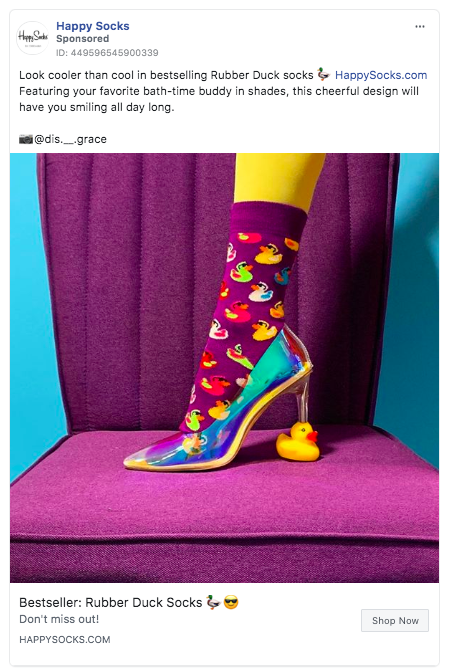
Image ads may be simple, but that doesn’t mean they have to be boring. For example, you might think socks are a pretty ho-hum product, but Happy Socks puts them in surprising contexts to create fun Facebook photo ads.
Video ads
Video ads can run in News Feed and Stories, or they can appear as in-stream ads in longer Facebook videos. Video ads can show your team or your product in action, like this quick demo video ad from We Are Knitters.

Your video ads don’t need to use filmed video footage. You can also create GIF-like graphics or other animations to capture attention or explain your offer, like in this ad from the New York Times.
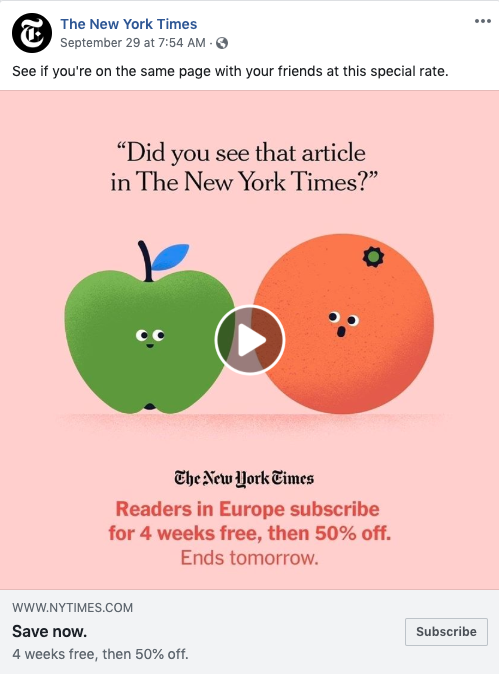
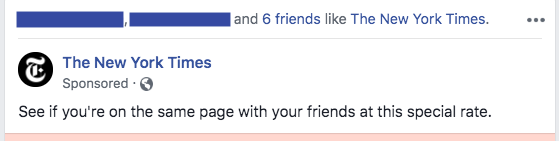
Also notice the targeting on this ad: It specifically mentions an offer for Europe (where I live). In my feed, I can also see which of my friends already like the NYT Facebook Page. This makes the copy extra-compelling.
Video poll ads
This mobile-only Facebook ad format incorporates an interactive component with video polls. It’s a brand-new type of Facebook paid advertising, but Facebook’s early data shows that these ads can increase brand awareness more effectively than regular video ads.

Carousel ads
A carousel ad uses up to 10 images or videos to showcase your product or service. You can use this format to highlight different benefits of one product, a number of different products, or even use all the photos together to create one large panorama image, like this:
Slideshow ads
Slideshow ads offer an easy way to create short video ads from a collection of still photos, text, or existing video clips. If you don’t have your own images, you can choose stock photos directly from Ads Manager.
Slideshow ads have eye-catching motion, just like videos, but use five times less bandwidth, so they load well even for people on slow internet connections. They’re an easy, low-impact way to draw attention.
Collection ads
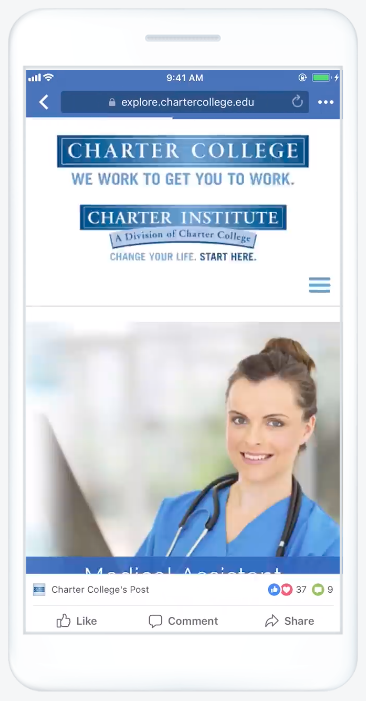
These Facebook paid ads, which are offered only for mobile devices, allow you to showcase five products that customers can click to buy.
Collection ads pair with Instant Experiences (more on those below) to allow people to buy your products without ever leaving Facebook. This makes online shopping easy when people are on-the-go and may not have a great internet connection.
Instant Experience ads
Instant Experience ads used to be called Canvas. They’re a full-screen ad format that loads 15 times faster than a mobile website outside of Facebook, like this example from American Express.
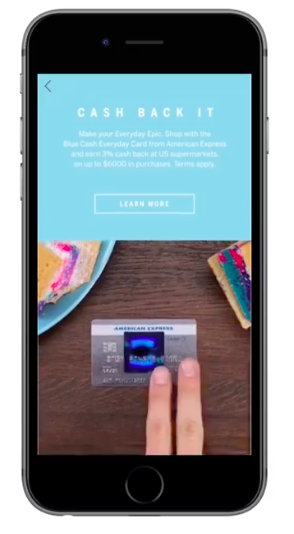
You can also link to additional Instant Experiences so people have access to even more instant mobile content.
Lead ads
Lead ads are only available for mobile devices because they’re specifically designed to make it easy for people to give you their contact information without a lot of typing. They’re great for collecting newsletter subscriptions, signing someone up for a trial of your product, or otherwise allowing people to ask for more information from you.
Tokio Marine, an insurance company, used lead ads to generate 11,000 leads in just 17 days. In addition to an easy-to-complete lead form, the ads used a Messenger bot to further qualify potential new clients. The campaign reduced the cost of lead collection by 60 percent.
Because these ads are such a great way to feed your sales funnel, we’ve got a whole guide to using Facebook lead ads that breaks down all the details you need to know to make the most of this important type of Facebook ad campaign.
Dynamic ads
Dynamic ads allow you to promote targeted products to the customers most likely to be interested in them.
For instance, if someone has visited a product page or placed a product in their shopping cart on your website, but then abandoned the purchase, dynamic ads for that precise product will appear in their Facebook feed.
This reminds the potential customer to complete the purchase, and can be a very effective Facebook marketing strategy.
The French store Smallable used dynamic ads to retarget potential customers with carousel, collection, image, and Stories formats. Smallable showed Facebook users ads for products they had already expressed interest in, resulting in a 124 times return on ad spend.
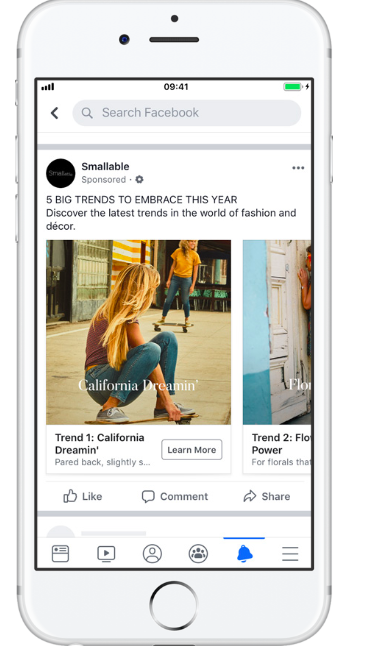
Messenger ads
Facebook Messenger ads give you access to the 1.3 billion people who use Messenger every month. When creating your ad, simply choose Messenger as the desired placement. You also need to select Facebook feed.
Here’s what an ad looks like in the Messenger app:

You can also run “click-to-Messenger” ads in the Facebook feed. These ads feature a call-to-action button that opens a Messenger conversation with your Facebook Page, so people can have a one-on-one conversation with one of your salespeople or customer service reps.
Stories ads
Scientific American found that 72% of millenials won’t rotate their phones to watch widescreen videos. Stories ads are a full-screen vertical video format that allow you to maximize screen real estate without expecting viewers to turn the screen.
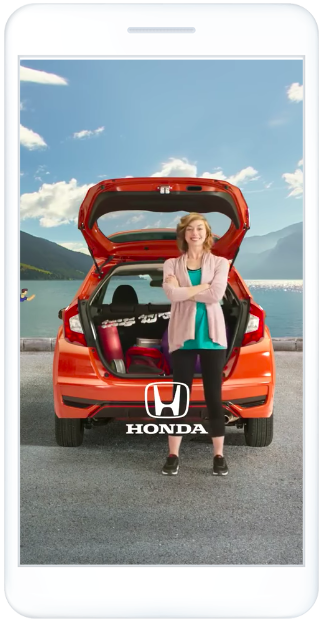
These ads have proven highly effective. A Facebook-commissioned Ipsos survey showed that more than half of people said they were making more online purchases because of Stories ads.
Stories augmented reality ads
Augmented reality ads use features like filters and animation to allow people to interact with your brand. This ad format is new to Facebook, but 63% of U.S. Internet users say they have already tried an AR brand experience. Facebook AR Stories ads go into open beta this fall.
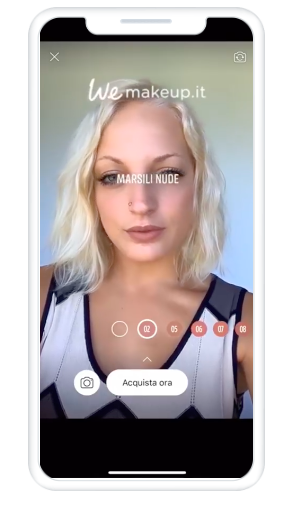

Comments
Post a Comment